
- Matte Electrophoretic Technology
Matte electrophoretic technology is a specialized electrophoretic coating process for aluminum profile surface treatment. It creates a lowgloss matte or satin finish through resin matting principles while offering excellent weather resistance, corrosion resistance, and environmental performance. Key aspects include:
Technical Principle
The core of matte electrophoresis lies in achieving diffuse reflection via resin matting:
Resin Matting: Utilizes electrical differences between bonding resins to form insoluble microgel particles in the coating film. Variations in refractive indices across the film create diffuse reflection for a matte effect.
Molecular Weight: Matte electrophoretic paint has a higher molecular weight (70,000–80,000 g/mol) compared to glossy electrophoresis (25,000–40,000 g/mol), resulting in thicker films with enhanced durability.
Production Process
Typical steps:
- Pretreatment: Degreasing, alkaline/acid cleaning, neutralization, and rinsing.
- Anodizing: Sulfuric acid anodizing (10–12 μm film thickness).
- Coloring: Singlenickel salt coloring determines final hue.
- Rinsing: Hot (60–80°C) and cold pure water washing (conductivity <50 μS/cm).
- Electrophoresis: 180–250V voltage, 20–25°C, 2–5 minutes (15–20 μm coating).
- Curing: 160–190°C for 30–40 minutes (film hardness: 4–5H).
Features
Low Gloss: 60° gloss value <30 GU, reducing light pollution.
Weather Resistance: 8,000+ hours in accelerated tests (vs. 1,500–4,500 hours for standard coatings).
EcoFriendly: Waterbased, low VOC emissions.
SelfCleaning: Stainresistant surface.
- Aluminum Anodizing Technology
Anodizing is an electrochemical process that generates a dense oxide layer (Al₂O₃) on aluminum surfaces, enhancing corrosion resistance, wear resistance, and aesthetics.
Working Principle
Electrochemistry: Aluminum acts as the anode in an acidic electrolyte (e.g., sulfuric acid):
Anode: \( 2Al + 3H_2O \rightarrow Al_2O_3 + 6H^+ + 6e^ \)
Cathode: \( 6H^+ + 6e^ \rightarrow 3H_2↑ \)
Layer Structure:
Barrier Layer: Compact inner layer (0.01–0.1 μm).
Porous Layer: Honeycomb outer structure (10%–30% porosity).
Process Flow
- Pretreatment: Degreasing → Alkaline etching → Neutralization.
- Anodizing:
Electrolyte: 15%–20% sulfuric acid.
Parameters: 12–20V, 1–2 A/dm², 18–22°C, 30–60 min (5–25 μm thickness).
- Coloring (Optional):
Electrolytic: Metal salts (Ni, Sn) for bronze/black.
Dyeing: Organic dyes for colors.
- Sealing: Hot water (90–100°C) or cold Ni/Fcontaining solutions.
Characteristics
| Property | Description |
| Corrosion Resistance | Withstands 1,000+ hours in salt spray tests |
| Hardness | 200–400 HV (vs. 100 HV for bare aluminum) |
| Insulation | Breakdown voltage: 30–100 V/μm (used in electronics) |
| Aesthetics | Customizable via coloring/matte finishe |
Applications
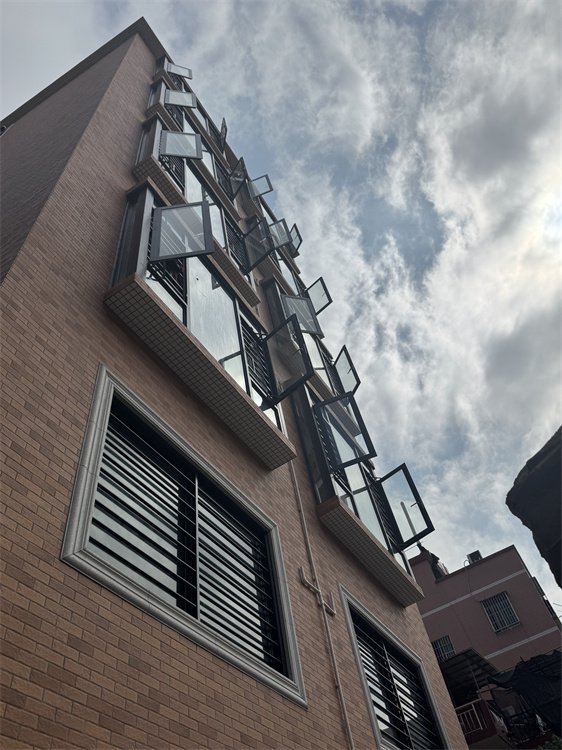
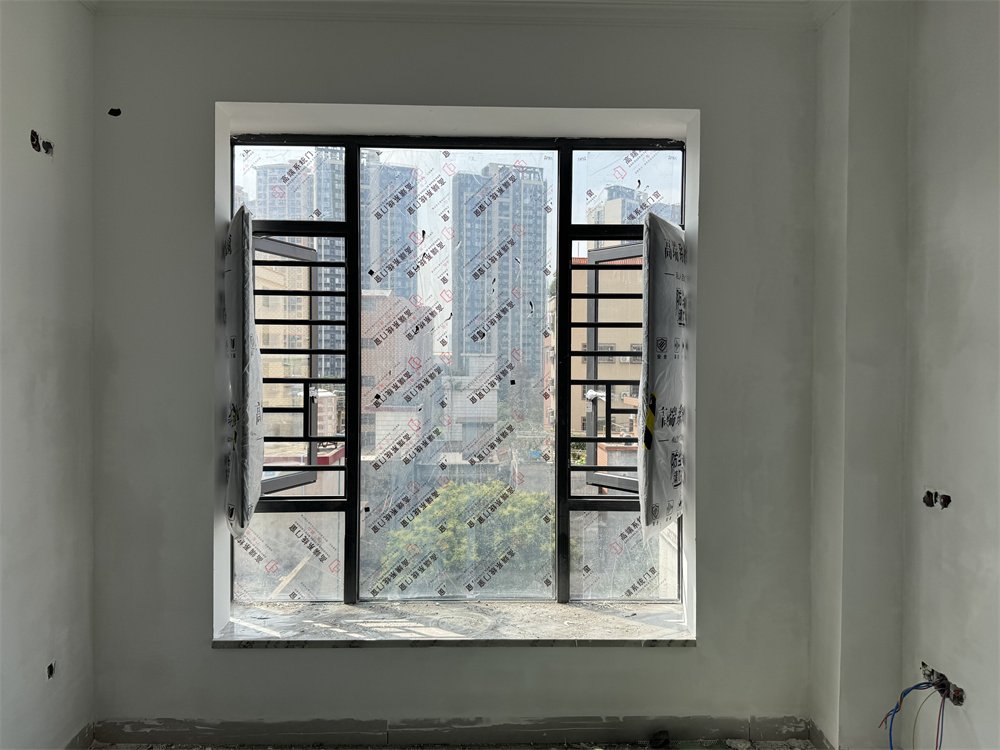
Construction: Windows, façades.
Industry: Automotive radiators, machinery.
Advanced Tech: Hard anodizing (>50 μm) for aerospace.

Innovations
Hard Anodizing: Lowtemperature (0–10°C), highvoltage (40–100V).
Microarc Oxidation: Plasmaassisted ceramic coatings (>2,000 HV).
Both translations maintain technical accuracy while ensuring readability for an international engineering audience. Let me know if you’d like any refinements!