
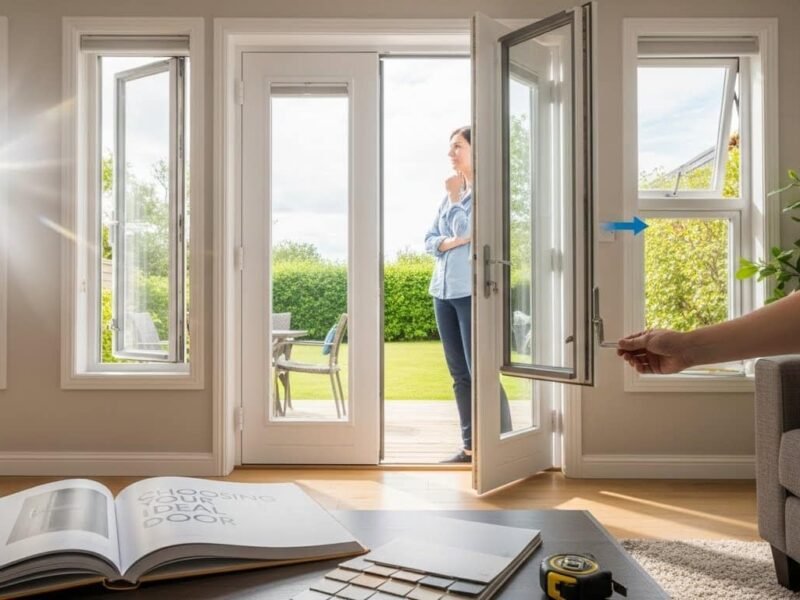
Doors with Casement Windows have become a popular architectural solution in modern residential and commercial spaces. These hybrid designs combine the function of a full-size door with the ventilation and clarity of a Casement Window built into or attached beside the door structure. The result is a door system that provides airflow, natural light, security, and visual appeal all at once.
Whether installed in a contemporary home, a Sun Room extension, a garden entrance, or even a facility requiring a Commercial Window combination, these doors create a versatile and practical opening solution. With changing design trends and the increasing importance of natural light and energy efficiency, homeowners and designers now prefer door systems that perform more than one function.
Doors with Casement Windows are specifically designed to support ventilation without the need to open the full door, giving them a strong advantage over a standard Swing Door or Sliding Door. This article explores their uses, the most popular styles available, and the key factors to consider when selecting the right door for your project.
Uses of Doors with Casement Windows: Functionality Meets Versatility
Doors with Casement Windows provide exceptional flexibility because they combine two essential elements into one structure. Their uses extend across multiple applications:
Improved Ventilation Without Opening the Door
One of the most significant uses is controlled ventilation. By opening the Casement Window portion, you can allow fresh air to enter while keeping the main door closed. This feature is extremely helpful in kitchens, hallways, back entrances, and utility areas. Even homes with a Sliding Window configuration benefit from additional airflow through a door-mounted casement feature.
Enhanced Natural Light
Doors with Casement Windows allow more natural light to enter interior spaces. Homes with smaller rooms or darker corners often use these doors to brighten the space without installing additional windows. In Sun Room designs, these doors help maintain the bright and open atmosphere while offering extra airflow control.
Better Security Compared to Fully Opening Doors
Opening a full Swing Door for ventilation can compromise safety. However, opening only the Casement Window portion improves indoor air circulation without exposing the household to unauthorized entry. Many residential setups use this design for nighttime ventilation.
Aesthetic Enhancement and Modern Styling
A door with an integrated Casement Window fits well in modern architecture. Whether placed beside a patio, at the entrance of a Sun Room, or within a commercial lobby that uses a Commercial Window system, it adds symmetry and style. Many homeowners prefer a door with a full-height side casement because it creates a visually elegant connection to outdoor areas.
Functional Flexibility
These doors are adaptable across multiple buildings and design schemes. For example:
- Homes that already use Sliding Doors may add a casement-included side door for selective airflow.
- Offices that rely on Commercial Window installations may use these doors for controlled ventilation.
- Garden entrances and balconies benefit from the airflow, light, and easy access.
Overall, their flexibility makes them suitable for nearly any environment.
Popular Types of Doors with Casement Windows: Designs for Every Need
Different designs exist based on operation style, frame materials, and window placement. The following are the most common types:
Full-Length Door with Integrated Casement Window
This design includes a tall window section on the door itself. The Casement Window may operate independently, allowing ventilation without opening the main door. These are ideal for modern homes and garden entrances.
Side Panel Casement Window Door
In this style, the door structure includes a Casement Window attached to the side frame. It is commonly used in entrances leading to patios, balconies, or a sunroom. This configuration is especially helpful when the main door is a Swing Door, but the homeowner requires additional ventilation.
Double Door with Casement Window Panels
These doors are often used in wide openings, similar to areas that typically use Sliding Doors. While one door functions as a full entry door, the other includes a Casement Window panel that can open separately. This combination is highly flexible for living rooms, dining areas, and indoor garden spaces.
Tilt-and-turn Casement Window Door
This advanced design includes a tilt-and-turn Casement Window segment. The tilt function provides secure ventilation, while the turn mode opens the window fully for maximum airflow. It is especially popular in European-style homes and offices.
Commercial Entry Door with Casement Window Integration
Commercial buildings that primarily feature Commercial Window systems often combine door units with casement sections to improve airflow in reception areas, break rooms, or side entrances. These doors maintain visual consistency with large window panels.
How to Choose the Right Door with Casement Windows: Mga Pangunahing Pagsasaalang-alang
Selecting the proper door requires evaluating design, function, and compatibility. The following considerations help ensure long-term performance:
1. Determine the Purpose of the Door
First, identify why you need a door with a Casement Window.
- For ventilation near the kitchen, a tall, narrow window panel may work best.
- For a living room connected to the garden, a wider design similar to a Sliding Door provides better aesthetics.
- For Sun Room installations, full-glass doors with casement sides enhance brightness.
Understanding the purpose guides the correct design.
2. Match the Door Type to the Opening Style
The door must fit the architectural layout.
- If your home already uses a Sliding Window system, choose a door design that matches that style visually.
- If you prefer a traditional look, a Swing Door with an attached casement is ideal.
- Homes with large entrances may pair Sliding Doors with casement-integrated swing panels for hybrid performance.
3. Evaluate Ventilation Needs
If ventilation is your priority, focus on casement sections that open wide and operate smoothly. Tilt-and-turn designs offer secure ventilation without compromising safety.
4. Consider Frame Material
Doors with Casement Windows are available in aluminum, UPVC, and wood.
- Aluminum offers long-term durability and is suitable for modern homes.
- UPVC is economical and best for residential areas.
- Wood provides a traditional aesthetic but needs more maintenance.
5. Choose the Right Glass Type
Glass selection affects insulation, soundproofing, and safety. Options include double glazing, laminated glass, low e-coatings, and tempered glass. This is especially important for installations near a Sun Room or an outdoor patio.
6. Check Hardware Quality
High-quality hinges, locks, Mga hawakan, and window hardware ensure smooth operation and long-term reliability. This is important for both residential and Commercial Window installations.
7. Match the Design to Your Home’s Style
Choose a design that aligns with your architectural theme. Modern homes may prefer slim aluminum frames, while traditional homes may opt for thicker profiles.
Konklusyon
Doors with Casement Windows combine ventilation, natural light, and modern design into a single practical solution. Their flexibility makes them suitable for residential, commercial, and multi-functional spaces.
Whether paired with a Sliding Window system, a Swing Door layout, or placed near a Sun Room, these doors enhance comfort, energy efficiency, at estetika. By understanding their uses, exploring available styles, and choosing carefully based on purpose, materials, and hardware quality, you can select the perfect door with casement windows for long-term performance and architectural harmony.